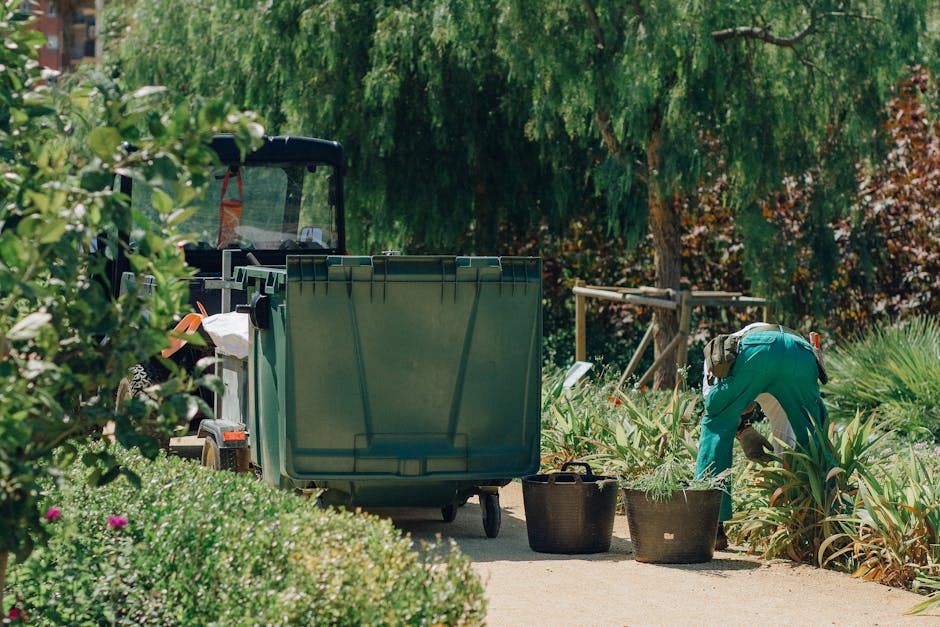
Create a low maintenance planting plan with professional gardeners
If you love the look of a well-planted garden but not the weekly slog of deadheading, staking, dividing, and rescuing thirsty borders in August, you are in the right place. A low maintenance planting plan is not about making a garden bare or boring. Done properly, it gives you a smarter planting scheme: one that looks good through the seasons, suits the site, and asks less of your time.
Working with professional gardeners makes that process far easier. They can read the light, soil, drainage, and day-to-day realities of your space, then turn all of that into a planting plan that actually holds up. Not just in spring, when everything looks optimistic, but in the messy bits too. The windy corner. The dry strip by the fence. The front garden you only see on the school run. That is where experience counts.
In this guide, we will walk through what a low maintenance planting plan really involves, how professional gardeners build one, what it can save you, and the common mistakes that lead to extra work later. If you are comparing options, or just want a garden that looks calmer and is easier to live with, this will help you make sensible decisions without overcomplicating it.
Expert summary: A good low maintenance planting plan is built around the site first, the plants second. Get the structure, soil, and care level right, and the garden becomes easier to manage year after year.
Table of Contents
- Why a low maintenance planting plan matters
- How the planning process works
- Key benefits and practical advantages
- Who it is for and when it makes sense
- Step-by-step guidance
- Expert tips for better results
- Common mistakes to avoid
- Tools, resources and recommendations
- Law, compliance, standards and best practice
- Options, methods and comparison table
- Case study or real-world example
- Practical checklist
- Conclusion
- Frequently asked questions
Why Create a low maintenance planting plan with professional gardeners Matters
A planting plan shapes how a garden behaves, not just how it looks. If the plan is vague, you usually end up with plants that need too much attention, fight each other for space, or fail because the conditions were never properly matched. Then the garden starts to feel like a chore. You know the feeling: a bit straggly, a bit uneven, always something to cut back, move, or replace.
When professional gardeners create the plan, they start by balancing appearance with practicality. That means choosing plants that suit the amount of sun, the type of soil, the available water, and the amount of time you genuinely have. It also means planning for growth, not just the day of planting. Small details matter here. A shrub that looks neat in May can become a six-foot headache by next summer if nobody accounted for mature size.
For many homeowners, the real value is peace of mind. A tidy border that stays tidy. Fewer seasonal surprises. Less pressure to keep buying replacements. To be fair, that is worth a lot if you already have a busy week and gardening is meant to be enjoyable rather than another item on the list.
There is also a cost angle. A thoughtful plan can reduce wasted spending on plants that are not suited to the site. You may spend more up front on planning and proper installation, but you often avoid repeated losses and rescue work later. That is the sort of trade-off many people are happy to make once they see the bigger picture.
If you want a wider sense of the team behind a project like this, the about us page is a useful place to start. It helps you understand the kind of approach a professional gardening business takes before you even get into plant choice.
How Create a low maintenance planting plan with professional gardeners Works
At its best, the process is structured but not rigid. A good gardener will usually begin with a site assessment, then move into plant selection, layout, and care planning. That sounds simple on paper. In practice, it involves quite a bit of judgement.
1. Assess the space properly
The first stage is all about the garden itself. Where does the sun fall in the morning and afternoon? Which parts dry out quickly? Where does water sit after heavy rain? Is the soil heavy clay, light and free-draining, or a bit patchy? These questions shape every decision that follows.
A professional will also look at practical use. Do you need clear sight lines near a path or driveway? Is there a dog, children, or limited access for maintenance? Is the planting meant to soften a fence, fill a long border, or create a front garden that looks smart from the street? These details can change the whole design.
2. Match plants to the conditions
Low maintenance does not mean "hardy everything" and hope for the best. It means selecting plants that are naturally suited to the site. In a dry, sunny bed, drought-tolerant perennials, small shrubs, and ornamental grasses often make sense. In shade, the choices change completely. Better to work with the conditions than fight them.
Plant choice is also about behaviour. Some plants need regular staking, splitting, or deadheading. Others hold form neatly with minimal intervention. Professional gardeners tend to favour species and varieties that provide structure, repeat interest, and reliable performance without constant fuss. Nice and steady. That is the goal.
3. Build in structure, spacing, and rhythm
A good planting plan is not a random shopping list. It usually includes layers: structural shrubs, mid-height perennial drifts, ground cover, and perhaps a few accent plants for seasonality. The spacing is crucial. Too tight, and you create overcrowding and disease pressure. Too wide, and the space looks bare for too long.
This is where experience really shows. Professional gardeners know how plants look in year one, year two, and year five. They are designing for the future, not just the day of planting. That can save a lot of pruning later on.
4. Plan the maintenance load
Every plant carries a maintenance cost, even if it is small. Some need occasional shaping. Some self-seed if you let them. Some keep flowering longer if you deadhead them. The idea is not zero maintenance, because that barely exists in a living garden. The idea is sensible maintenance: less frequent, more predictable, and easier to manage.
A professional planting plan should make the maintenance job easier to understand. You should know what needs cutting back, when to mulch, which areas to water in dry spells, and what can be left alone. That sort of clarity matters more than people think.
Key Benefits and Practical Advantages
Low maintenance planting brings a mix of practical and visual benefits. The obvious one is less work. The less obvious one is that the garden often looks better for longer, because it has been designed to stay in balance.
| Benefit | What it means in practice | Why it matters |
|---|---|---|
| Lower upkeep | Less frequent watering, deadheading, staking, and replanting | Saves time and reduces stress |
| Better plant survival | Plants are matched to site conditions from the start | Fewer losses and replacements |
| Cleaner appearance | Plants are chosen for shape, structure, and season-long interest | The garden feels intentional, not messy |
| Smarter spending | Less money wasted on unsuitable plants or repeated fixes | Improves long-term value |
| More usable outdoor space | Clear paths, reliable borders, and manageable growth | Makes the garden easier to live with |
There is another benefit that people sometimes miss: confidence. Once a garden is planted in the right way, you stop second-guessing every corner. Is this plant meant to spread? Should I cut that back now? Why is this border sulking? A solid plan reduces all that noise.
For households with limited time, elderly gardeners, landlords, or anyone preparing a property for sale, that can be especially useful. A neat, well-structured garden tends to read as "cared for" without demanding constant input. And let's face it, first impressions count.
If sustainability matters to you as well, it is worth speaking to professionals who think about reuse, responsible disposal, and greener maintenance habits. The recycling and sustainability approach can be a useful indicator of how carefully a team works, especially on bigger tidy-up or planting jobs.
Who This Is For and When It Makes Sense
This kind of planting plan is not only for people with no interest in gardening. In fact, many keen gardeners choose low maintenance schemes because they want the garden to look polished without becoming a full-time project. There is no shame in wanting a lovely space that does not eat your weekends.
It tends to make sense if you fall into one of these groups:
- Busy homeowners who want a garden that stays attractive with limited upkeep
- Older homeowners who want lighter physical maintenance
- Families who need a robust, practical outdoor space
- Landlords or property managers seeking reliable curb appeal
- People redesigning a front garden or small courtyard
- Anyone replacing high-maintenance borders with something calmer and more resilient
It is also a strong choice when a garden has become slightly overwhelming. Maybe the plants have outgrown their spots. Maybe the border is half full of things that never really suited the site. Maybe the previous planting looked good for three weeks and then became, well, a bit of a faff.
Professional gardeners can help most when there is a mix of constraints: awkward shade, dry soil, poor drainage, limited budget, or a need for instant improvement without creating future work. That is often where the good planning really pays off.
Step-by-Step Guidance
If you want to create a low maintenance planting plan with professional gardeners, it helps to understand the process before the work starts. Here is a practical way to approach it.
Step 1: Define what low maintenance means for you
Low maintenance is personal. For one person, it means no lawns and minimal watering. For another, it means a border that only needs a light tidy twice a year. Be honest about how much time you actually have, not how much time you imagine having on a sunny Sunday afternoon in May.
Ask yourself:
- How often do you want to water?
- Are you happy to prune shrubs once or twice a year?
- Do you want year-round structure or seasonal change?
- Are you prioritising colour, scent, wildlife value, or simplicity?
Step 2: Get the site properly assessed
Walk the garden with the gardener and talk through the problem spots. Point out the dry areas, the windy side, the patch where nothing seems to grow, and any areas you want to keep clear. Even a small note like "this corner gets full sun until about 2 pm" can help shape better decisions.
Professional gardeners will usually take notice of the details that home growers often overlook: reflected heat from walls, roots from nearby trees, and seasonal changes in moisture. Those small factors make a big difference.
Step 3: Choose a plant palette with restraint
Restraint is underrated. A simple palette of reliable plants often looks more elegant than a border crammed with too many different species. Repetition helps create cohesion and usually makes maintenance easier too.
Good low maintenance schemes often use:
- Evergreen structure for winter shape
- Perennials that return reliably
- Ground cover to reduce weeds and soil exposure
- Ornamental grasses or shrubs for texture
- Plants with long flowering periods or attractive foliage
Step 4: Plan planting density and mature size
This is where many DIY plans go wrong. Plants are bought small, so people plant them too far apart or too close together without thinking about what happens in a year or two. Professional gardeners plan around mature spread, which means the border fills out in a controlled way rather than turning into a scrappy jumble.
In a front garden, for example, you may want evergreen shrubs at the back, lower flowering plants in front, and a low ground layer to keep things neat. Simple. Effective. No drama.
Step 5: Add a maintenance calendar
A planting plan should ideally come with seasonal notes. Nothing too complicated. Just enough to know what needs attention and when. This may include a spring mulch, summer watering guidance, light autumn tidy-ups, and a late-winter cutback for certain perennials. It makes the whole thing feel manageable rather than mysterious.
Step 6: Review access, safety, and future upkeep
If the planting is near driveways, paths, walls, or shared access areas, think about how the garden will be maintained safely. Overhanging growth, slippery debris, and awkward pruning positions can turn a tidy border into a nuisance. A professional gardener should build this into the design, not treat it as an afterthought.
Expert Tips for Better Results
Here are a few things experienced gardeners tend to do, and for good reason.
Use more structure than you think you need
Evergreen shrubs, clipped forms, and strong leaf shapes help a garden look composed even when seasonal flowers are resting. Structure is what stops a low maintenance border from looking empty in February.
Prefer plants that do one job well
Some plants are showy but needy. Others are quieter and just get on with it. In low maintenance design, reliability usually wins. A plant that stays tidy, resists flopping, and performs for a long stretch is more valuable than one that creates work every month.
Let ground cover earn its keep
Low growing plants can help shade soil, reduce weeds, and soften edges. That does not eliminate maintenance, but it often cuts down the small jobs that become surprisingly annoying over time. You know, the sort of thing that starts with "I'll just do five minutes" and somehow eats the whole evening.
Keep irrigation simple
If the garden needs irrigation, keep it straightforward. A complicated system can become one more thing to look after. In many UK gardens, careful plant choice and mulching reduce the need for elaborate watering arrangements, especially once plants are established.
Mulch at the right time
Mulching helps conserve moisture and suppress weeds, but timing matters. A professional will usually decide when the beds are best prepared and refreshed, rather than just applying mulch whenever it is convenient. That little bit of judgement makes a difference.
If you are comparing quotes, asking how the planting plan will be built and maintained can be more useful than asking only about the plant list. A careful company should be able to explain pricing clearly, and you can review practical details through the pricing and quotes information before moving forward.
Common Mistakes to Avoid
Low maintenance gardens are often undermined by a few repeat errors. These are the ones that show up most often.
Choosing plants for looks alone
A plant may look beautiful in the nursery and still be wrong for your site. If it needs more sun, more moisture, or more shelter than you can offer, it will either sulk or demand constant care. Not ideal.
Overcrowding the border
People often try to get an instant full look by packing plants too tightly. The border may look rich at first, but then airflow drops, growth gets messy, and maintenance becomes harder. Better spacing usually gives a calmer result.
Ignoring mature size
This one causes so many headaches. A small plant is not a small plant forever. Mature size should influence every decision, from layout to pruning access.
Mixing too many styles
A low maintenance planting plan works best when it has a clear logic. If you combine lots of different textures, heights, and habits without a plan, the result can look accidental. That is a subtle problem, but it is a real one.
Forgetting access for future care
If you cannot reach a plant properly, you will not maintain it properly. It sounds obvious, but gardens do this to people. A gorgeous border with no access point can become a long-term nuisance very quickly.
Skipping soil improvement
Even the best plant choice struggles in bad soil. If drainage, structure, or fertility need attention, address that first. A few sensible groundwork improvements often reduce maintenance later.
Tools, Resources and Recommendations
You do not need a shed full of specialist kit to benefit from a professional planting plan, but a few basics help keep things tidy and practical.
- Soil and light notes: Written observations about sun, shade, wet patches, and dry areas
- Planting sketch or border map: Useful for visualising height, spread, and repetition
- Simple maintenance calendar: Helps you know what happens in each season
- Mulch and compost plans: Useful for moisture retention and soil improvement
- Access checklist: Ensures paths, gates, and working space are considered
If the job involves removal of old planting or waste, it can help to ask how materials will be handled. A responsible approach to disposal and reuse matters more than people often realise, especially on larger gardens. You can see how a business frames this through its recycling and sustainability information.
It is also sensible to understand how a company handles communication, permissions, and any project terms before work begins. That is not glamorous, but it avoids awkward surprises later. If needed, the terms and conditions page and the privacy policy can help clarify what to expect when you share your details or confirm a project.
Law, Compliance, Standards, or Best Practice
Planting plans are not heavily regulated in the same way as some trades, but professional gardeners should still work to sound UK best practice. That means sensible risk awareness, safe use of tools, and clear communication about access, waste, and any site hazards.
For example, if work is being carried out near paths, steps, retained levels, boundaries, or driveways, safe access matters. If there are overgrown areas, hidden debris, or awkward lifting involved, that should be considered before work begins. Reputable gardeners should be able to explain how they manage health and safety in plain English. A good sign is when they have a clear health and safety policy and appropriate insurance and safety arrangements in place.
If you are engaging a company to visit your property, it is also normal to expect transparent communication on booking, pricing, payment, and how personal information is handled. That does not need to be complicated. It just needs to be clear. You can usually get a sense of that from the payment and security page and the business's general service information.
Good practice is also about ethics and professionalism. If you are choosing a gardener, a business that is open about its working standards, service expectations, and how to raise concerns tends to be easier to work with. Plainly put, you want competence and clarity. Both.
Options, Methods, and Comparison Table
There is more than one way to create a low maintenance planting scheme. The best option depends on your budget, your time, and how hands-on you want to be. Here is a practical comparison.
| Approach | Best for | Maintenance level | Notes |
|---|---|---|---|
| Dense perennial border | Colour, pollinators, and seasonal interest | Moderate | Needs occasional cutback and division, but can look generous and lively |
| Structural shrub planting | Year-round form and simple upkeep | Low | Good for front gardens and easier long-term management |
| Mixed shrub and ground cover scheme | Reducing weeds and keeping soil covered | Low to moderate | Often a very practical compromise for busy households |
| Wildlife-friendly natural planting | Informal look and habitat value | Moderate | Can be low fuss once established, but may need seasonal tidying |
| Container-led planting | Patios, courtyards, and flexible design | Moderate to high | Very useful visually, though pots usually need more watering |
If you are leaning toward the simplest route, a shrub-led scheme with strong evergreen structure is often the most forgiving. If you want more flowers and movement, a mixed border can still be manageable if the plant palette is kept disciplined. That word again: disciplined. Not exciting, perhaps, but very effective.
Case Study or Real-World Example
Imagine a narrow front garden with a small path, a few tired shrubs, and a border that gets full sun from late morning onwards. The owner wants something smart, not fussy. They do not want to be out there every weekend clipping, deadheading, or replacing plants that give up after a hot spell.
A professional gardener might start by removing the awkward, overgrown plants and checking the soil. If the border is dry and compacted, it may need organic matter added before replanting. Then the design could be built around a handful of evergreen shrubs for structure, repeating clumps of hardy perennials for soft colour, and low ground cover to keep the base of the border tidy.
Instead of filling every gap, the gardener leaves enough room for plants to establish properly. The result in year one might look a little more open than a packed display, but by year two it reads as deliberate and balanced. Watering is needed at first, naturally, but once the roots settle, the maintenance drops off. A light spring feed, a summer check, a tidy in autumn, and that is about it.
What the homeowner notices most is not only that the garden looks better, but that it feels easier. There is no monthly panic. No sudden sprawl. The border just gets on with its job. Quietly, which is honestly how a lot of good gardens behave.
Practical Checklist
Use this checklist before agreeing a planting plan or starting work:
- Have the site's light, soil, drainage, and exposure been assessed?
- Does the plant list suit the amount of time you have for upkeep?
- Have mature sizes been considered, not just young plant sizes?
- Will the design still look good in winter or after flowering peaks?
- Is there enough spacing for healthy growth and easy access?
- Have weeds, soil improvement, and mulching been factored in?
- Do you know what maintenance is needed in each season?
- Have safety, access, and waste handling been discussed?
- Is the budget clear, including planting, materials, and aftercare if needed?
- Have you checked the company's service information and any relevant support pages such as contact details if you want to ask questions before starting?
Tip: If a planting plan feels too complicated to maintain on a tired Tuesday evening in November, it is probably too complicated. That is a decent reality check.
Conclusion
To create a low maintenance planting plan with professional gardeners is to choose a garden that fits real life, not just idealised weekends. The best plans are thoughtful, site-specific, and honest about how much work a garden should reasonably demand. They use plants that suit the conditions, build in structure, and keep future maintenance simple enough that you will actually do it.
That is the difference between a garden that continually asks for rescue and a garden that quietly works. If you are redesigning a border, refreshing a front garden, or trying to reduce the upkeep in an outdoor space that has become a bit much, a professional planting plan can make a bigger difference than you might expect.
Start with the site, keep the plant list sensible, and think about how the space will look and behave in two or three years, not just next month. That approach tends to age well. And gardens, like most good things, do get better with a bit of patience.
Get a free quote today and see how much you can save.
Frequently Asked Questions
What does a low maintenance planting plan include?
It usually includes plant selection, spacing, structure, soil considerations, and a simple maintenance approach. In practice, that means choosing plants that suit the site and do not need constant intervention.
Is low maintenance the same as no maintenance?
No. Even the easiest garden needs some care. The goal is to reduce the frequency and complexity of the work, not remove it completely. A little seasonal attention usually goes a long way.
Why should I use professional gardeners instead of doing it myself?
Professional gardeners bring site judgement, plant knowledge, and practical experience. They can spot issues like poor drainage, awkward sun patterns, or future overcrowding before those become problems.
What plants are best for low maintenance gardens?
That depends on the site. In general, well-chosen shrubs, hardy perennials, ground cover, and some evergreen structure work well. The best plants are the ones matched to your soil, light, and exposure.
Will a low maintenance planting plan still look attractive all year?
Yes, if it is designed properly. Strong structure, evergreen elements, seasonal interest, and sensible repetition help the garden look tidy in winter and lively in warmer months.
How much maintenance will I still need to do?
Expect some watering while plants establish, occasional pruning, a seasonal tidy-up, and perhaps mulching. The exact level depends on the design and the plants chosen.
Can I make a shady garden low maintenance?
Absolutely. Shade gardens can be very manageable if the plant palette is chosen carefully. The key is to use plants that naturally suit low light rather than forcing sun-loving varieties into the space.
Is a low maintenance planting plan good for wildlife?
It can be. A thoughtful plan can support pollinators, birds, and beneficial insects while still keeping the garden practical. The trick is to balance structure with plant variety, not overstuff the border.
How do I keep a new planting plan from becoming overgrown?
Good spacing, mature-size planning, and selecting plants with predictable growth habits all help. A light annual review is wise too, because even neat gardens can drift if nobody checks them.
What should I ask a gardener before agreeing to a plan?
Ask how they choose plants, how they think about maintenance, what the plan will need in the first year, and how they handle access, waste, and aftercare. Clear answers are a good sign.
Does a professional planting plan cost more than buying plants myself?
Often, yes at the start. But it can save money later by avoiding unsuitable plants, replacement costs, and unnecessary maintenance. The value is usually in the long-term fit, not just the initial spend.
How long does it take for a low maintenance border to settle in?
It varies by plant and season, but many schemes need at least one full growing season to establish properly. Some look quite full by year one, while others become more balanced in year two. Patience helps.
What if my garden has poor soil or drainage?
That does not rule out a low maintenance plan. It just means the design should account for those conditions from the start, with suitable planting choices and any necessary soil improvement.
How do I get started?
Begin with a clear idea of what you want the garden to do, then speak with a professional who can assess the space and recommend a practical planting strategy. If you want to ask questions first, the contact us page is the natural next step.