Insurance and Safety for Garden Landscape Gardeners
 Garden Landscape Gardeners take safety and insurance responsibilities seriously. Our garden landscaping team operates with a clear commitment to protecting clients, the public and our crew. This page outlines how our landscape gardeners manage risk, the layers of protection we carry and the practical steps we take on every job to keep sites secure. Safety is not an add-on—it is central to how we work, and our policies reflect that philosophy.
Public Liability Insurance
All reputable garden landscapers should hold comprehensive public liability insurance and we are no exception. Public liability cover protects homeowners, businesses and the general public from accidental damage or injury that may arise from gardening activities such as tree works, turfing, paving or machinery use. Our public liability policy is designed to provide assurance that, should an incident occur, there are funds and procedures in place to handle claims responsibly and promptly.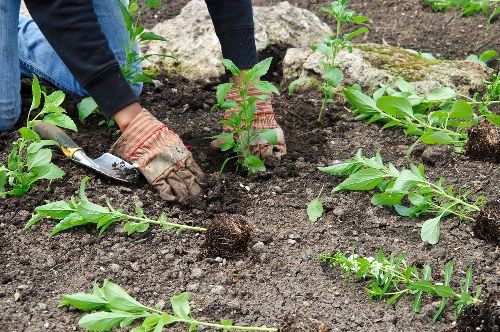 What public liability covers: injury to third parties, property damage, and accidental damage arising from on-site activity. We ensure our policy limits are appropriate for the scale of work we undertake and that the cover extends to subcontractors engaged by our garden landscaping team. We also document policy numbers and renewal dates in our records so that cover is continuous for every project.
Staff Training and Competency
Our gardeners are trained through a combination of accredited courses and in-house coaching. Training covers safe equipment use, chemical handling, manual handling and task-specific instruction for jobs such as hedge cutting, tree pruning and landscape construction. We use a mix of classroom-based learning, practical demonstrations and on-the-job mentoring to make sure every gardener is competent before they work unsupervised.Continual professional development
We operate a schedule of refresher training sessions and toolbox talks. Topics are chosen based on risk assessments, seasonal requirements and the introduction of new tools or materials. Records of induction and refresher training are maintained for each member of the garden landscape gardeners team, and we use these records as part of our quality and safety audits. Training includes:
- Safe operation of powered tools including chainsaws, brushcutters and compactors
- Pesticide and fertiliser safe handling with COSHH-aware procedures
- Working at height for pruning and roofline work, using harnesses and ladders safely
Personal Protective Equipment (PPE)
PPE is a simple but vital line of defense for our people and anyone sharing the site. Our standard issue PPE for garden landscapers includes high-visibility clothing, safety boots, gloves, eye protection and hearing protection where needed. We specify equipment that meets recognised standards and replace worn items promptly. Correct PPE use is enforced and forms part of routine checks at start of day briefings.We also maintain task-specific PPE for specialized jobs: chainsaw trousers and helmets with visors and ear defenders for tree work, respirators for dusty operations and chemical-resistant gloves for handling herbicides. Our approach combines provision, instruction and supervision to make sure PPE is effective in practice, not just in theory.
On-site checks include verifying PPE condition, ensuring fit for purpose and confirming that every team member understands why each item is required. Failure to wear PPE where it is required results in task suspension until compliance is achieved—this is non-negotiable for the safety of the crew and the public.
Risk Assessment Process
Every job begins with a written risk assessment undertaken by a qualified member of our landscape gardening staff. The process follows a clear sequence: identify hazards, assess who might be harmed and how, evaluate risks and implement controls, and record the findings. Assessments are proportionate to the task—simple lawn maintenance will have an appropriate low-level assessment, while complex garden landscaping projects receive a detailed method statement and permit-to-work arrangements where necessary.Typical risk control measures include:
- Segregation of work areas and secure signage to protect the public
- Safe systems of work for manual handling and mechanical lifts
- Environmental protections, such as containment for fuels and run-off control
- Emergency procedures and first-aid provision tailored to site conditions
Risk assessments are living documents: they are reviewed if conditions change, if unexpected hazards appear or after any incident. We maintain an audit trail of assessments, revisions and follow-up actions so that the garden landscapers team can demonstrate ongoing compliance during internal reviews and external inspections.
Supervision, Recordkeeping and Continuous Improvement
Good supervision ensures plans are followed and controls remain effective. Our site supervisors conduct pre-start briefings, daily checks and post-job reviews. We keep detailed job records, insurance certificates, training logs and risk assessments to support accountability and continuous improvement. These records also help when planning future works to learn from past experiences.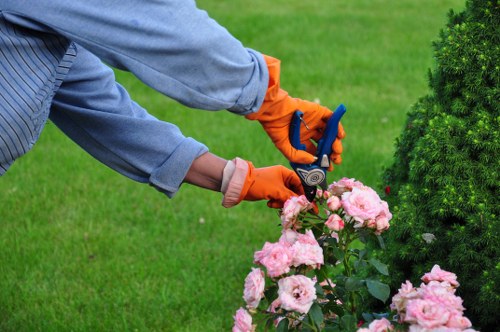 Responsibility for safety is shared: managers set standards, supervisors enforce them and every gardener contributes by following procedures and reporting hazards. Communication channels are kept simple and direct so that issues are addressed quickly. Signage, exclusion zones and clear handover notes are used consistently to protect both workforce and clients during active landscaping operations.
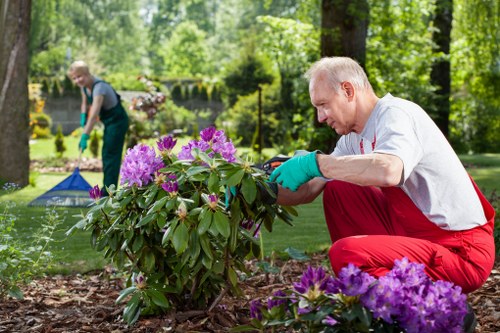 In summary, our approach as garden landscapers combines robust public liability insurance, thorough staff training, practical PPE provision and a methodical risk assessment process. We focus on prevention, clear documentation and a safety culture that empowers people to stop work when they believe something is unsafe. That is how we ensure each landscape gardening project is managed responsibly, ethically and with respect for the community and the environment.