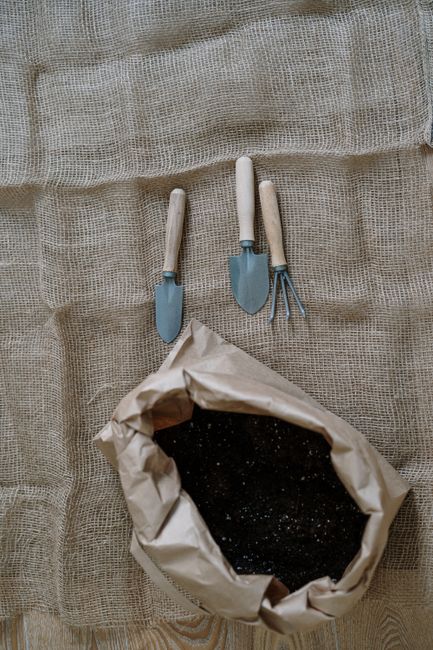
Essential steps to prepare soil before gardeners lay a new lawn
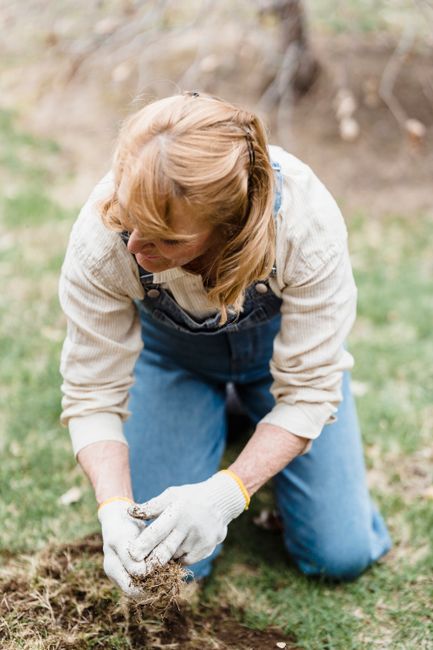
If you want a lawn that looks level, roots well, and stays healthy after installation, the groundwork matters more than most people think. The essential steps to prepare soil before gardeners lay a new lawn are not glamorous, but they make the difference between a patchy surface and turf that settles in properly. Get the soil right first, and the rest becomes far easier. Skip it, and you can end up dealing with puddles, bumps, poor rooting, and that slightly sinking feeling when the first dry spell hits.
In this guide, we'll walk through the process in plain English: why preparation matters, how it works, what to do step by step, and the mistakes that often trip people up. You'll also find a practical checklist, a comparison table, and a few real-world tips that gardeners use when they want a lawn to look good now and hold up later.
Why Essential steps to prepare soil before gardeners lay a new lawn Matters
New lawn turf or seed will only perform as well as the soil beneath it. That sounds obvious, but in practice it's where many projects fall short. A lawn is not just a green finish on top; it is a living system with roots that need air, water, nutrients, and a stable structure underneath. If the soil is compacted, uneven, thin, or full of hidden debris, the lawn struggles from day one.
To be fair, plenty of gardens in the UK have inherited awkward soil conditions. Heavy clay, builder's rubble, compacted subsoil, and poor drainage are all common after construction work or repeated use. You may notice water sitting after rain, or the ground feeling hard underfoot. Those are warnings, not just minor annoyances.
Good preparation also saves money and frustration later. A lawn that establishes well needs less rescue work, fewer patch repairs, and less guesswork with watering. If you're investing in professional lawn laying or spending weekends doing it yourself, it makes sense to start with a proper base rather than hoping for the best. Truth be told, hope is not a landscaping method.
There's another reason this matters: a well-prepared base helps the final lawn look visually better. A level seedbed or turf bed avoids dips, ridges, and those annoying little shadows that appear every evening when the light catches the surface. It just looks more finished.
How Essential steps to prepare soil before gardeners lay a new lawn Works
The process is simple in principle, though not always simple in the ground. You remove the things that stop grass from rooting properly, improve the soil structure where needed, level the surface, and create a fine, firm tilth so the new lawn can establish evenly. In plain terms: you give the roots a decent home before introducing the turf or seed.
Most lawn preparation follows the same logic:
- Clear the site so there is no old vegetation, rubble, timber, or debris.
- Assess the soil for texture, drainage, and compaction.
- Improve the base with soil conditioning, topsoil, or drainage measures where needed.
- Level and firm the area so the finished lawn sits evenly.
- Finish the surface to a tilth suitable for turf or seed.
That last point matters more than people realise. A surface that is too loose will settle unevenly after watering and rain. Too hard, and roots will struggle to penetrate. What you want is a firm, slightly crumbly surface that supports the lawn without feeling like concrete.
If you are also planning wider garden work, this is often the stage where related tasks are done too. For example, a larger project might include landscaping or garden clearance before the lawn area is finally shaped and finished. That broader approach can save time, especially where old beds, overgrowth, or leftover materials are in the way.
Key Benefits and Practical Advantages
There are several clear benefits to proper soil preparation, and not all of them are visible on day one. Some show up weeks later, when the lawn is rooted in and coping with everyday use.
Better establishment
Grass roots need contact with workable soil. If the ground is uneven or compacted, rooting is patchy and slow. Good preparation helps the lawn knit into the soil quickly, which is especially important if children, pets, or regular foot traffic will be using it.
Improved drainage
Waterlogging is one of the fastest ways to spoil a new lawn. A well-prepared base reduces standing water and helps excess moisture move through the profile. On heavier soils, that may mean extra organic matter, levelling, or drainage improvements. On lighter soils, it may mean better moisture retention. Different problem, same outcome: a healthier lawn.
Cleaner finish
Let's face it, nobody wants a lawn with bumps, soft spots, or ridges showing through the surface. Proper levelling gives you that smooth, tidy look people usually want when they say they want "a nice lawn". Simple enough, but easy to get wrong.
Lower maintenance later
A lawn laid on poorly prepared soil often needs more watering, more patching, and more correction work after installation. When the soil is ready first, maintenance becomes more predictable. That can be especially helpful if you already have a full routine of garden maintenance to keep on top of.
Stronger long-term performance
Good soil preparation supports root depth, which in turn supports drought tolerance and resilience. That does not mean the lawn becomes bulletproof-no lawn does-but it does give it a better chance of coping when summer gets hot or rain becomes patchy.
Who This Is For and When It Makes Sense
This process matters for anyone installing a new lawn, whether you are laying turf, sowing seed, or replacing a tired area that has simply worn out over time. If your existing lawn has bare patches, drainage problems, or lots of uneven ground, the same principles still apply.
It makes particular sense in these situations:
- New-build gardens where topsoil may be thin, compacted, or mixed with rubble.
- Older gardens where the lawn has been removed and the area needs a proper reset.
- Family gardens where even surfaces and durable growth matter.
- Rental or resale projects where first impressions count.
- Gardens with poor drainage or heavy clay that needs careful handling.
There's a practical judgement call here. If the lawn area is small and the ground is already in decent condition, the work may be straightforward. If the site has compacted soil, old roots, builders' waste, or obvious dips, it becomes more of a proper preparation job. In some cases, it's worth treating the lawn area as part of a broader garden redesign rather than a simple turf replacement. That is where landscape gardening can be a better fit than a quick tidy-up.
Step-by-Step Guidance
Below is a practical, field-tested sequence for preparing soil before a new lawn is laid. You do not always need every step in every garden, but this order is a sensible starting point.
1. Clear the area completely
Start by removing old turf, weeds, stones, wood, broken pots, roots, and anything else that should not be buried under the new lawn. If the site has been neglected for a while, you may also need to deal with bramble, ivy, or woody growth. A clean base makes every following step easier. Skipping this is like painting over dust. It looks fine for a minute, then causes trouble.
2. Inspect drainage and soil condition
Before adding material or levelling anything, check how the soil behaves. Is it sticky and heavy after rain? Does water sit on the surface? Is the ground dusty and free-draining to the point of drying too quickly? These clues help you decide whether to improve structure, adjust grading, or add soil conditioners.
A quick observation on a rainy day can tell you a lot. If the lawn area still glistens hours later while the rest of the garden has drained, that's a sign the base needs attention.
3. Remove compacted layers
Compacted soil blocks root growth and slows drainage. Forking, aerating, or mechanically loosening the ground may be needed depending on the site. For small areas, a sturdy garden fork can do a lot of work. For larger or severely compacted plots, a more professional approach is often more efficient.
In gardens where other work has already caused compaction, such as repeated machinery movement or heavy foot traffic, you may also be dealing with underlying soil damage that takes a bit of patience to fix.
4. Add topsoil or improve the existing soil
Not every site needs imported topsoil, but many do benefit from a better growing layer. The aim is to provide a fertile, workable base with enough depth for healthy roots. If the existing soil is thin, poor, or mixed with construction material, improvement may be more important than simply levelling the surface.
Mixing in well-suited organic matter can help structure and moisture retention, especially on lighter soils. On heavier soils, overdoing organic matter can be messy, so moderation matters. There's no magic formula that fits every garden, despite what some overconfident advice online might imply.
5. Rough grade the area
Shape the soil so the lawn will sit at the right level relative to paths, patios, drains, and borders. This is where the garden starts to look like a garden again, not a construction site. Take care to maintain gentle falls away from buildings where required and avoid creating little basins that trap water.
6. Level and refine the surface
Once the rough shape is set, refine the surface with rakes. Break down large clods, remove stones, and work toward a smooth, even finish. For turf, the surface should be firm enough to walk on without sinking deeply. For seed, it should be finer still, with a clean top layer ready for even germination.
Do not rush this part. You will notice every small dip once the lawn is down. So will everyone else, which is somehow worse.
7. Firm the soil
Lightly firming the soil helps prevent future settling. This can be done with the back of a rake, a roller in some cases, or by treading carefully across the area in a controlled way before re-raking. The goal is stability, not compaction. That distinction matters.
8. Final check before laying turf or sowing seed
Walk the area and look from different angles. Check for soft spots, hollows, ridges, debris, and poor transitions at the edges. A few extra minutes here can save hours of frustration later. If the surface looks right in morning light and late-afternoon light, you are usually in good shape.
Expert Tips for Better Results
A few small decisions make a surprisingly big difference.
- Prepare in dry but workable conditions. Soil that is too wet smears and compacts; soil that is too dry is hard to shape properly.
- Match the preparation to the end use. A decorative lawn has different needs from a busy family lawn or a dog-heavy garden.
- Keep levels consistent with the rest of the garden. This avoids awkward edges, puddles near paving, and trapped water by walls.
- Think ahead to mowing. Smooth access around edges makes later maintenance much easier. If you want to keep the lawn neat, services like lawn mowing become much simpler when the surface is level and the margins are tidy.
- Allow for settlement. Soil often settles a little after watering and rain. A good installer plans for that rather than pretending it will not happen.
One small but useful habit: step back every so often and look at the whole area from the house, from the path, and from the gate. Tiny low spots are easier to spot from a distance than when you are standing right on top of them. Funny how that works.
Common Mistakes to Avoid
Most lawn problems trace back to a handful of avoidable mistakes. Here are the ones that turn up most often.
Leaving debris in the soil
Rubble, roots, and buried waste can create dead spots or uneven settling. Even small fragments can cause annoying surface imperfections later.
Overcompacting the base
Firming the soil is good; crushing it into a hard pan is not. If roots cannot move through the soil, the lawn will struggle. This is especially common where heavy tools or machinery have been used too aggressively.
Ignoring drainage problems
If water already sits in the area, laying turf over it will not solve the issue. The problem will still be there, just hidden for a while. That is a short-lived victory at best.
Using poor-quality topsoil
Cheap or unsuitable soil may contain stones, clay clumps, weed seeds, or inconsistent texture. It can be tempting to save time here, but the result often costs more later.
Rushing the levelling stage
This is one of the most common errors. A lawn can hide small mistakes at first, but once it grows and is mown, the unevenness becomes much more obvious. Patience pays.
Forgetting the edges
Edges around borders, paths, and steps are often left a little rough. That may not seem serious, but the transitions matter. Poor edges make mowing awkward and can lead to weak spots along the perimeter.
Tools, Resources and Recommendations
You do not need a massive kit to prepare soil well, but having the right tools saves time and effort.
| Tool or material | What it does | Best use |
|---|---|---|
| Garden fork | Loosens compacted soil | Small to medium areas |
| Rake | Levels and refines the surface | Levelling before turf or seed |
| Wheelbarrow | Moves soil, turf waste, or topsoil | Transporting materials efficiently |
| Topsoil | Builds a healthier growing layer | Thin, poor, or damaged sites |
| Soil conditioner | Improves structure and texture | Targeted soil improvement |
| Roller or firming tool | Settles the surface lightly | Final preparation where suitable |
For bigger clean-ups, a wider service can be helpful. A project may start with garden clearance and then move into shaping, turf preparation, and planting. If you are planning several jobs at once, that joined-up approach usually feels less chaotic. And, frankly, less muddy.
If you are budgeting, it also helps to understand the wider project before work begins. Clear pricing discussions and planning are often part of a more organised service, which is why many homeowners like to review pricing and quotes early on rather than guessing.
Law, Compliance, Standards, or Best Practice
For a domestic lawn project, there usually isn't a complicated legal framework specific to soil preparation itself. Still, best practice matters. If work is being carried out by a contractor, it should be done safely, with sensible care around underground services, access routes, waste handling, and general site safety. That is especially relevant where gardens adjoin driveways, shared access ways, retaining walls, or drainage features.
In the UK, a professional approach normally includes risk awareness around manual handling, safe use of tools, and responsible disposal of waste materials. If soil is being removed, reused, or replaced, it should be handled in a way that avoids unnecessary mess and contamination. For that reason, reputable firms often work to documented safety and environmental policies. You may also see references to health and safety policy and recycling and sustainability as part of a wider professional standard.
It is also sensible to protect nearby paving, structures, and planting. Good practice means planning the work so the finished garden is not only attractive but also safe, tidy, and durable. If you are hiring a team, ask how they handle access, waste, and final cleanup. A calm answer is usually a good sign.
Options, Methods, or Comparison Table
Different gardens call for different preparation methods. The right choice depends on the existing soil, the level of damage, and the finish you want.
| Method | Best for | Pros | Trade-offs |
|---|---|---|---|
| Light surface preparation | Fairly even, workable soil | Quicker, lower cost, less disruption | Not suitable for compacted or damaged ground |
| Full soil improvement | Poor, thin, or inconsistent soil | Better rooting and long-term performance | Needs more material and labour |
| Drainage-led preparation | Waterlogged or heavy clay areas | Helps prevent standing water | More complex and site-specific |
| Regrading and levelling | Uneven or newly altered gardens | Improves finish and usability | Can uncover deeper soil issues |
If you are unsure which route fits your garden, look at the current state of the ground rather than the result you want in your head. A lawn can be beautiful, yes, but it still has to work with the soil underneath it. That part decides a lot.
Case Study or Real-World Example
Here's a simple real-world scenario. A homeowner had a rear garden that looked fine from the kitchen window, but the centre section had become uneven after old paving was removed. The soil was compacted in one corner, soft in another, and full of small rubble in the middle. Turf had been installed years before on a rushed base, and it had never really settled.
Instead of laying new turf straight away, the area was cleared, the poor material was removed, and the base was reworked. The soil was improved where needed, the levels were corrected, and the surface was firmed carefully before the lawn went down. Nothing dramatic, no miracle technique. Just patient preparation.
The difference was obvious after establishment. Water no longer pooled in the same places, the lawn rooted more evenly, and mowing became much easier because the surface was smoother. It was one of those jobs where the "boring" part turned out to be the most valuable part. Happens more often than people think.
Practical Checklist
Use this quick checklist before gardeners lay a new lawn:
- Remove old turf, weeds, stones, roots, and debris.
- Check for drainage problems and compacted areas.
- Improve poor soil with the right amount of topsoil or conditioner.
- Rough grade the area to the right overall levels.
- Level the surface carefully and remove clods and rubble.
- Firm the soil lightly so it does not settle unevenly later.
- Check edges, corners, and transitions near paths and borders.
- Make sure the final surface suits turf or seed, depending on the plan.
- Walk the site from different angles before work finishes.
- Only lay the lawn once the base is genuinely ready.
Key takeaway: a good lawn starts below ground level. Get the soil shape, texture, and firmness right first, and you give the grass a real chance to thrive rather than merely survive.
Conclusion
The essential steps to prepare soil before gardeners lay a new lawn are straightforward in principle, but they demand care. Clear the site properly, assess the soil honestly, improve what needs improving, level the ground, and firm it with the future lawn in mind. That's the heart of it.
Do that well and you make the rest easier: turf settles better, seed germinates more evenly, drainage improves, and the lawn becomes easier to live with in everyday use. It's not about perfection for perfection's sake. It's about building a base that will hold up after the first rain, the first mow, and the first busy weekend in the garden.
If you are planning a new lawn and want the work handled properly from the start, speak to a local team that understands ground preparation as much as the finish. Get a free quote today and see how much you can save.
And if you get the base right, the lawn has a way of rewarding you. Quietly, steadily, in that satisfying green way only a well-prepared garden can manage.
Frequently Asked Questions
How do you prepare soil before laying a new lawn?
You clear the area, remove weeds and debris, improve poor soil if needed, level the surface, and firm it lightly before turf or seed is laid. The goal is a stable, workable base with decent drainage and no hidden obstacles.
Do you need to remove all old grass before laying turf?
Yes, in most cases you should remove the old grass or turf first. Leaving it in place can create an uneven, weak layer underneath the new lawn and make establishment harder.
Should you add topsoil before laying a lawn?
Sometimes. If the existing soil is thin, poor, or contaminated with rubble, adding good-quality topsoil can help. On better ground, a lighter improvement may be enough. It depends on what you are starting with.
How level does the ground need to be for a new lawn?
Very level, but not unnaturally flat. You want smooth, even ground with gentle falls where needed for drainage. Small hollows and bumps will show once the lawn is laid and watered in.
Can you lay turf on compacted soil?
You can, but you really shouldn't. Compacted soil makes it difficult for roots to penetrate and can cause water to sit on the surface. It is better to loosen and improve the ground first.
How long should soil settle before laying turf?
There is no fixed time that suits every garden. If the soil has been newly worked, it should be settled enough to support foot pressure without sinking. Sometimes that means a short waiting period, sometimes it means controlled firming and re-raking before laying.
What is the best soil for a new lawn?
A fertile, well-structured top layer that drains well but still holds enough moisture is ideal. In plain terms, you want soil that is workable, not claggy, and not so sandy that it dries out too fast.
Do I need professional help to prepare the soil?
Not always. Smaller, straightforward lawns can be prepared by capable DIY gardeners. But if the site is badly uneven, compacted, or waterlogged, professional help can save time and prevent expensive mistakes.
What happens if you skip soil preparation?
The lawn may still go down, but the results are often weaker. You can get poor rooting, patchy growth, uneven settling, drainage problems, and more maintenance later on. It's one of those shortcuts that tends to come back around.
Can soil preparation affect how often you mow the lawn later?
Indirectly, yes. A smooth, well-prepared lawn is easier to mow evenly and less likely to have dips that make cutting awkward. It also tends to establish more consistently, which helps with overall lawn care.
What's the biggest mistake people make when preparing a lawn area?
Rushing the levelling and firmness stage. People often focus on the visible surface and miss what is happening underneath. Then the lawn settles unevenly and the problems show up later. That one catches a lot of gardens out.
Is lawn preparation different for turf and seed?
Yes, slightly. Turf needs a firm, even surface that supports immediate contact with the soil below. Seed needs a finer, more finely raked surface so germination is even and the seed does not wash into pockets.