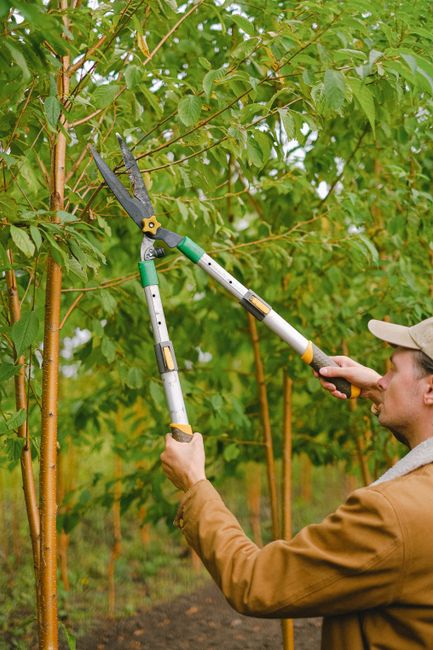
Seasonal pruning calendar every UK gardener should follow
If you have ever stood in the garden on a damp February morning, secateurs in hand, wondering whether to cut now or wait until spring, you are not alone. A well-timed pruning plan can mean the difference between healthy growth and a tired, tangled garden. This guide to the Seasonal pruning calendar every UK gardener should follow gives you a clear, practical way to decide what to prune, when to prune it, and when to leave well alone.
Because let's face it, pruning in the UK is not a one-size-fits-all job. Our weather swings quickly, some shrubs flower on old wood and some on new, and a bad trim can knock out a whole season of blooms. Below you will find a month-by-month approach, a simple decision framework, a checklist, and the kind of detail that helps you prune with more confidence and fewer regrets. That last bit matters more than people think.
Table of Contents
- Why Seasonal pruning calendar every UK gardener should follow Matters
- How Seasonal pruning calendar every UK gardener should follow Works
- Key Benefits and Practical Advantages
- Who This Is For and When It Makes Sense
- Step-by-Step Guidance
- Expert Tips for Better Results
- Common Mistakes to Avoid
- Tools, Resources and Recommendations
- Law, Compliance, Standards, or Best Practice
- Options, Methods, or Comparison Table
- Case Study or Real-World Example
- Practical Checklist
- Conclusion
- Frequently Asked Questions
Why Seasonal pruning calendar every UK gardener should follow Matters
Pruning is not just about making plants look tidy. In a UK garden, it affects flowering, fruiting, disease control, safety, and the long-term shape of the plant. A seasonal calendar helps you work with plant growth cycles instead of against them. That sounds simple, but it saves a surprising amount of trouble.
The biggest issue is timing. Prune some plants in winter and you may remove next year's flowers. Leave others too long and they become woody, crowded, or vulnerable to wind damage. There is also the practical side: in wet months, cuts can be slower to dry and plants can be more exposed to rot or frost damage. In early spring, a hard prune can trigger lots of soft new growth that a late frost may punish. Nature has a funny way of keeping us humble.
For many gardens, the right calendar also reduces the need for heavy remedial work later. A hedge that is clipped lightly and regularly is easier to manage than one left for three years and then hacked back in one afternoon. If your garden includes larger shrubs, climbers, or trees, seasonal pruning becomes even more important. In those cases, services like hedge trimming and tree lopping and removal can be part of a wider maintenance plan rather than an emergency fix.
Truth be told, many pruning mistakes come from trying to do everything at once. A calendar breaks that habit.
How Seasonal pruning calendar every UK gardener should follow Works
The calendar works by grouping plants according to how and when they grow. Some shrubs flower on old wood, meaning they set buds in the previous season. Others flower on new wood, meaning they bloom on growth produced that same year. Fruit trees, roses, climbers, herbaceous perennials, and hedges all have different rhythms.
In practice, your calendar is less about strict dates and more about seasonal windows. Weather varies across the UK, and the north, south, coastal spots, and sheltered city gardens all move at different speeds. A plant in a warm London courtyard may wake earlier than the same plant in a windy upland garden. So the calendar is a guide, not a stopwatch.
Here is the simplest way to think about it:
- Late winter to early spring is usually for dormant pruning, structural work, and most deciduous shrubs.
- Spring is for light shaping, deadheading, and avoiding cuts on plants that are actively flowering.
- Summer suits many hedges, fruiting shrubs after harvest, and gentle control work.
- Autumn is often about removing weak, damaged, or diseased material and avoiding heavy cuts before frost.
That means the right job at the right time can be as simple as checking whether the plant flowers before midsummer, after midsummer, or not at all. If you are unsure, a cautious approach is usually better than a dramatic one. The plant will thank you, even if it does not say so.
Typical pruning rhythm by season
| Season | Best for | What to avoid |
|---|---|---|
| Winter | Most dormant deciduous shrubs, fruit trees, structural pruning | Hard pruning tender plants or anything frost-sensitive |
| Spring | Light shaping, deadheading, some climbers after flowering | Removing buds from spring-flowering shrubs |
| Summer | Hedges, post-flowering shrubs, controlling vigorous growth | Overcutting during hot, dry spells |
| Autumn | Dead, damaged, diseased growth, light tidying | Heavy pruning before frost or wet weather sets in |
Key Benefits and Practical Advantages
A seasonal pruning calendar gives you more than neat borders. It creates better growth habits across the whole garden. That is especially useful if you are juggling lawns, hedges, beds, fruit trees, and a few shrubs that seem to have a mind of their own.
- Healthier plants: Correct timing reduces stress and helps wounds heal more reliably.
- More flowers and fruit: You avoid cutting off buds that were already set for the next display.
- Safer trees and hedges: Removing weak, crossing, or overextended growth before storms can reduce breakage.
- Less work later: Small seasonal cuts are far easier than major recovery pruning.
- Better shape and structure: The garden looks purposeful, not merely clipped into submission.
- More predictable maintenance: Once you know the rhythm, planning becomes easier across the year.
There is also a cost-saving angle. Well-timed pruning can reduce the need for bigger interventions, and for many households that means fewer callouts, less green waste, and less time spent wrestling with an out-of-control buddleia on a Sunday afternoon. The weather is often enough of a challenge without adding avoidable plant stress on top.
Who This Is For and When It Makes Sense
This calendar is useful for pretty much anyone who wants a healthier, easier-to-manage garden. But it is especially valuable if your outdoor space has a mix of plants with different pruning needs. In our experience, that is where confusion starts.
- New gardeners who want a safe, simple routine.
- Busy homeowners who need a practical annual plan.
- Landlords and property managers who need gardens to stay tidy and presentable.
- Older or low-maintenance gardens where shrubs and hedges have become overgrown.
- Fruit and rose growers who want better flowering and harvests.
- Anyone preparing for a bigger garden project and wanting to tidy structure before landscape gardening or landscaping work begins.
It also makes sense if your garden maintenance has become patchy. Maybe winter passes and nothing gets done, then by June everything is suddenly a jungle. We have all seen that stage. A calendar helps turn that cycle into a steady routine instead.
Step-by-Step Guidance
The best way to use a pruning calendar is to work through your garden in stages. Do not try to prune everything in one weekend unless you enjoy sore shoulders and second-guessing yourself for days.
1. Identify the plant type first
Start by sorting plants into broad groups: deciduous shrubs, evergreen shrubs, roses, fruit trees, hedges, climbers, and perennials. If you do not know the exact plant name, look at when it flowers and how it grows. That is often enough to avoid the common timing mistakes.
2. Decide whether it flowers on old wood or new wood
This is one of the most useful pruning distinctions. Spring-flowering shrubs often bloom on old wood, so they should usually be pruned after flowering. Summer-flowering shrubs often bloom on new growth, so late winter or early spring pruning is often fine. Simple, but crucial.
3. Match the job to the season
Use seasonal windows rather than fixed dates. As a rough UK guide:
- January to February: prune many dormant deciduous shrubs, apple and pear trees, and some established hedges if conditions are dry enough.
- March to April: finish dormant pruning before strong growth begins; start light shaping and deadheading as weather improves.
- May to June: prune spring-flowering shrubs after bloom, trim hedges lightly, and remove spent flower stems.
- July to August: manage vigorous growth, cut back summer-flowering shrubs after they finish, and keep hedges neat.
- September to October: remove damaged or diseased growth, tidy lightly, and avoid major cuts that could be hit by frost.
- November to December: keep pruning minimal unless you are dealing with safety, clearance, or a very suitable dormant plant.
4. Use the right cut for the right job
Not all pruning is equal. A thin-out removes selected stems to improve airflow and light. A heading cut shortens a shoot to encourage branching. A renewal prune removes old stems at the base to encourage fresh growth. If you are just cleaning up a hedge, a light trim may be enough. If a shrub has become woody and hollow in the middle, it may need more selective renewal work.
5. Step back and assess as you go
That little pause matters. Cut a section, then stand back. Look at shape, balance, and whether you have removed too much. Gardens can look slightly untidy during pruning, and that is normal. The trick is not to panic halfway through and keep chopping because the outline feels odd. A bit of restraint goes a long way.
6. Finish with cleanup and aftercare
Collect prunings, check for diseased material, and water if the plant is under stress or the weather is unexpectedly dry. If you have a large amount of waste, it may be sensible to combine pruning with garden clearance or routine garden maintenance. The tidier the aftercare, the more likely you are to keep up the habit next time.
Expert Tips for Better Results
A few small habits make a real difference. These are the things that tend to separate a neat, healthy garden from a repeatedly butchered one. Slightly dramatic wording, yes, but you know the look when you see it.
- Prune on a dry day where possible. Cuts usually dry better and you are less likely to spread disease through wet foliage.
- Use sharp, clean tools. Ragged cuts heal more slowly. Clean blades also help if you have been cutting anything diseased.
- Respect bird nesting season. In the UK, avoid disturbing active nests. Check carefully before cutting hedges or dense shrubs in spring and early summer.
- Do not over-prune evergreens. Many evergreen shrubs do not respond well to hard cutting back into old wood.
- For hedges, little and often is best. Regular light trimming keeps them denser and healthier than rare heavy cuts. For regular hedge work, hedge trimming is often the safer, saner approach.
- Watch for signs of stress. Brown leaf edges, dieback, or weak regrowth can mean the plant needed a gentler approach.
One practical tip from real gardens: if a shrub has been ignored for years, do not assume a severe autumn reset will fix it. Often it is better to spread the work over two or three seasons. It is less dramatic, but much kinder. And frankly, better for your back too.
Common Mistakes to Avoid
Most pruning problems come from a few repeat mistakes. The good news is they are easy to spot once you know what to look for.
- Pruning at the wrong time: This is the big one. Spring-flowering shrubs cut in winter often lose their display.
- Taking off too much at once: Over-pruning can trigger weak, untidy regrowth or shock the plant.
- Ignoring plant type: A rose, a hedge, and an ornamental cherry do not follow the same rules.
- Using blunt tools: Blunt blades crush stems rather than slicing them cleanly.
- Pruning in bad weather: Heavy rain, frost, or strong winds are not ideal conditions.
- Leaving diseased cuttings in place: If material looks infected, remove it cleanly and dispose of it appropriately.
- Forgetting the whole garden picture: A hedge may need trimming, but nearby climbers or nesting areas may need protection.
Another mistake is assuming every plant can be "tidied" in the same session. It cannot. Some need patience, some need courage, and some need you to leave them alone until the right month rolls around.
Tools, Resources and Recommendations
You do not need a shed full of specialist kit, but the right tools make the job safer and cleaner. For most UK gardens, a modest, well-maintained kit is enough.
- Bypass secateurs for live stems and clean cuts on small growth.
- Loppers for thicker stems that are too hard for secateurs.
- Pruning saw for larger branches and awkward woody growth.
- Shears or hedge trimmers for regular hedge shaping.
- Gloves and eye protection to reduce scratches and flying debris.
- Disinfectant or cleaning solution for blades when moving between plants.
If you are dealing with larger trees, high hedges, or awkward access, safety quickly becomes part of the decision. Overreaching on a ladder is not a skill worth practising. For those jobs, it can be sensible to speak to professionals who understand the risks and the right pruning sequence. If budget planning matters, you may also want to review pricing and quotes before deciding how to tackle a larger seasonal round of work.
For broader garden support, a steady upkeep plan can help keep pruning manageable across the year, especially if your garden is already dense or slightly neglected. A little regular maintenance saves a lot of drama later on. Usually.
Law, Compliance, Standards, or Best Practice
Pruning is usually straightforward domestic work, but there are a few UK best-practice points worth keeping in mind. The main one is wildlife. Before cutting hedges, dense shrubs, or ivy-covered areas, check carefully for nesting birds or other active wildlife. If a nest is in use, leave the area alone until it is no longer active.
There is also a safety angle. If pruning involves height, power tools, unstable ground, or heavy branches, it should be treated as a higher-risk task. Good practice includes wearing proper PPE, planning an escape route for falling material, and working only where you can maintain control. If work is being carried out professionally, it is reasonable to expect clear safety procedures and appropriate insurance. That is simply good practice, not overkill.
For waste, many gardeners now think more carefully about reuse and disposal. Green waste can often be composted, chipped, or taken for responsible recycling, depending on the material. If you are aiming for a tidier, lower-waste garden routine, recycling and sustainability is worth factoring into the way you manage clippings and clearance.
One more point: if any pruning affects shared boundaries, trees with preservation restrictions, or larger structural planting, pause and check before cutting. Better to ask first than explain later.
Options, Methods, or Comparison Table
Different pruning methods suit different goals. Here is a simple comparison to help you choose the right approach.
| Method | Best used for | Advantages | Watch-outs |
|---|---|---|---|
| Light seasonal trim | Hedges, small shrubs, tidy borders | Low stress, easy to maintain, fast recovery | May not fix major overgrowth |
| Selective pruning | Roses, fruit trees, mixed shrubs | Improves shape, light, airflow | Needs more plant knowledge |
| Renewal pruning | Old, woody shrubs | Encourages fresh shoots | Can be slow to recover and must be timed well |
| Reduction pruning | Oversized hedges or shrubs | Controls spread and height | Can look harsh if done badly |
| Professional intervention | Large trees, difficult access, major clearance | Safer, more efficient, better for complicated jobs | May be more expensive than DIY |
If you are unsure which route to take, ask a simple question: am I maintaining a healthy plant, or am I trying to rescue a neglected one? The answer usually decides the method.
Case Study or Real-World Example
A typical example is a modest suburban garden with one hedge, a flowering shrub border, a few roses, and an older fruit tree. At first glance, it looks manageable. Then spring arrives, the hedge shoots up, the roses go leggy, and the fruit tree seems to have grown a second personality.
Using a seasonal calendar, the owner split the work into three parts. In late winter, they pruned the fruit tree while it was still dormant, removing crossing branches and a few weak shoots. In late spring, after the spring-flowering shrubs had finished, they trimmed them lightly rather than cutting them in winter. In midsummer, they clipped the hedge and tidied the roses after the main flush.
The result was not dramatic in the Hollywood sense. No miracle transformation. But the garden looked better, flowered more evenly, and became much easier to manage. Most importantly, the owner stopped doing everything in a panic in July. That alone was a win.
This is the real value of a seasonal calendar. It helps you move from rescue mode to routine mode. And routine mode is where gardens start behaving themselves, more or less.
Practical Checklist
Use this quick checklist before you start any pruning session:
- Have I identified the plant correctly?
- Do I know whether it flowers on old wood or new wood?
- Is this the right season for the plant?
- Are the weather and ground conditions suitable?
- Do I have sharp, clean tools ready?
- Have I checked for nesting birds or wildlife?
- Am I cutting for health, shape, safety, or size control?
- Do I know how much to remove without overdoing it?
- Have I planned for waste removal or composting?
- Would this job be safer or smarter as a professional task?
If you can tick most of those off, you are in a much better place. If not, pause. The plant is not going anywhere.
Conclusion
A seasonal pruning calendar is one of the simplest tools a UK gardener can use, yet it has a big impact. It helps you prune at the right time, protect flowering, keep hedges under control, and avoid the common mistakes that turn good intentions into rough-looking cuts. More than that, it gives your garden a rhythm. Spring, summer, autumn, winter - each season has its job.
Once you understand the pattern, pruning stops feeling like guesswork. You will know when to cut, when to wait, and when a light touch is enough. That confidence changes everything, really. The garden feels calmer, and so do you.
If your pruning jobs are building up, or you want help turning a messy outdoor space into something easier to maintain, it may be worth speaking with a local team that can guide the work properly. A well-kept garden is rarely the result of one big effort; it is usually the result of steady, thoughtful timing.
Get a free quote today and see how much you can save.
And if you take one thing away from this guide, let it be this: prune with the season, not against it. Your garden will usually reward patience.
Frequently Asked Questions
What is the best month to prune most shrubs in the UK?
There is no single best month for every shrub, which is exactly why a seasonal calendar helps. Many deciduous shrubs are pruned in late winter or early spring while dormant, but spring-flowering shrubs are often best left until after they bloom. If you are unsure, check the flowering habit first.
Can I prune in winter in the UK?
Yes, but only for the right plants and on suitable days. Winter is often good for dormant deciduous shrubs, some fruit trees, and structural work. Avoid pruning tender plants during frost, and be cautious with anything that flowers on old wood.
Should I prune hedges in spring or summer?
Many hedges are trimmed in late spring or summer, once nesting concerns have been checked and the initial growth spurt has settled. Some hedges may need more than one light trim in the growing season. Regular, lighter trims are usually better than one heavy cut.
What should I prune after flowering?
Spring-flowering shrubs are the classic example. If a shrub blooms early in the year on growth produced the previous season, pruning after flowering helps preserve next year's display. That timing is often the difference between a good show and a disappointing one.
How hard can I cut back an overgrown shrub?
It depends on the species. Some shrubs tolerate renovation pruning, while others hate severe cuts. If a shrub is very woody or old, spread the work over more than one season rather than attacking it all at once. A gentler approach is often safer.
Is pruning bad for plants?
No, not when it is done well and at the right time. Pruning can improve structure, airflow, flowering, and fruiting. It becomes harmful when it is too heavy, badly timed, or done with blunt tools.
Do I need different tools for different pruning jobs?
Yes, in practice you do. Secateurs are ideal for smaller stems, loppers for thicker growth, and a pruning saw for larger woody material. For hedges, shears or hedge trimmers are often the neatest option. Using the right tool makes a cleaner cut and reduces strain.
How do I know if I have pruned too much?
If a plant has lost most of its healthy foliage or structural shape, you may have gone too far. Signs can include a bare look, weak regrowth, or stress in the following weeks. The best prevention is to prune in stages and step back often.
Can pruning attract more growth?
Yes, pruning can stimulate new shoots, especially when done on the right plant at the right point in the year. That is useful for shaping and renewal, but it also means over-pruning can lead to excessive soft growth. The goal is controlled response, not a growth explosion.
Should I remove diseased branches immediately?
Usually, yes, if it is safe to do so and you are sure the material is diseased. Removing infected growth can help limit spread. Clean your tools afterwards, and avoid leaving suspect cuttings lying around in the garden.
What if I am not sure what plant I have?
When in doubt, take the cautious route. Look at whether it flowers before or after midsummer, whether it is evergreen or deciduous, and how strongly it grows. If you still cannot identify it confidently, it is safer to do a minimal trim than a full prune.
Is professional pruning worth it for a normal garden?
For many gardens, yes, especially if there are tall hedges, difficult access, large trees, or older plants that need careful renewal. A professional approach can save time, reduce risk, and stop avoidable mistakes. Sometimes the most economical option is simply the one that does the job properly first time.